Writing isn’t just for authors, bloggers and poets but It’s for anyone navigating the human experience. Whether you’re struggling with anxiety, coping with loss and simply trying to better understand yourself, writing is healing. It’s a low-cost, highly effective tool that can calm the mind, clear emotional fog and help you make sense of life’s ups and downs.
In this article Healing Power Of Writing , we’ll explore 7 transformative ways , how writing can benefit your mental health, backed by both science and stories and you’ll also find practical tips to start your writing journey and answers to common questions about how to make the most of this timeless practice.
The Science Behind Writing and Emotional Release
How The Healing Power Of Writing Impacts the Brain?
Writing activates multiple areas of the brain simultaneously. Neuroscientific research shows that when we write, especially expressively, the left prefrontal cortex (linked to logic and expression) and the limbic system (linked to emotion) work in tandem. This means writing helps us process complex emotions logically rather than react impulsively.
Cortisol Levels
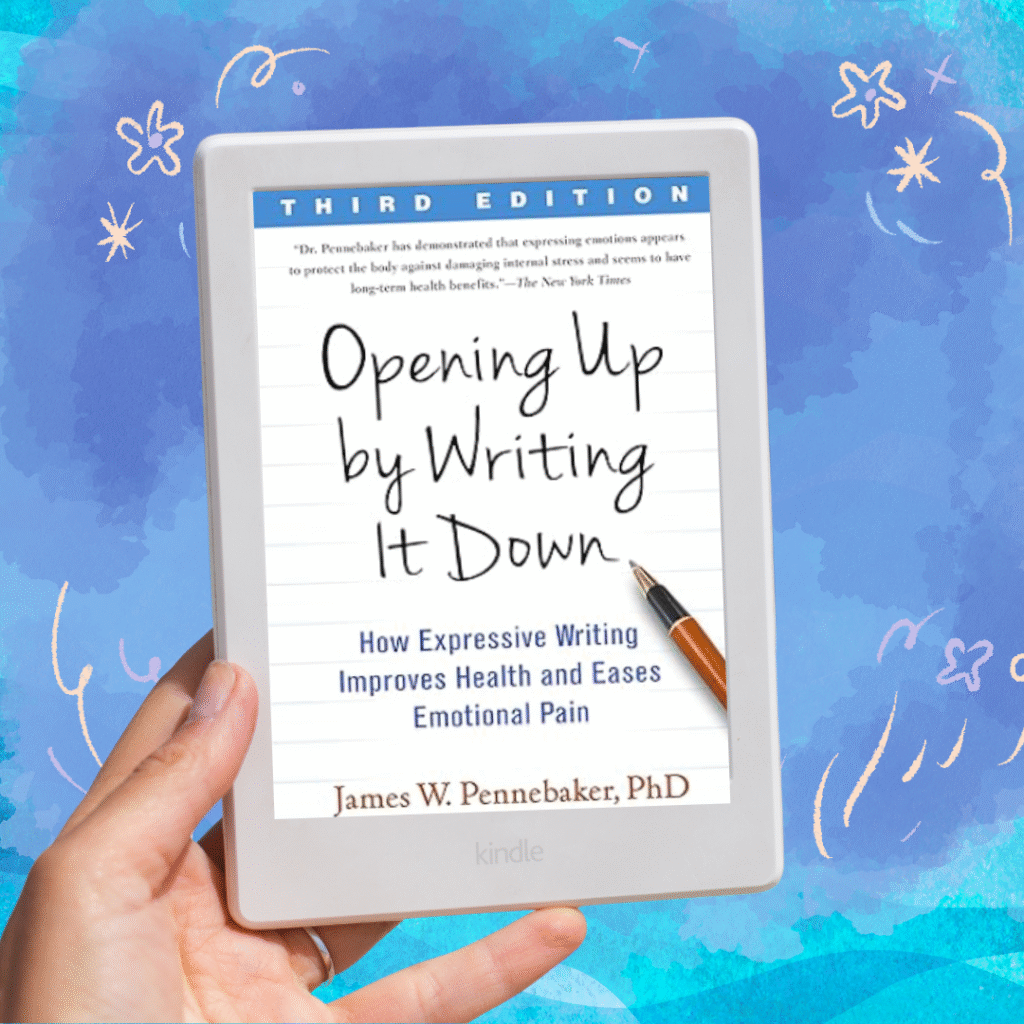
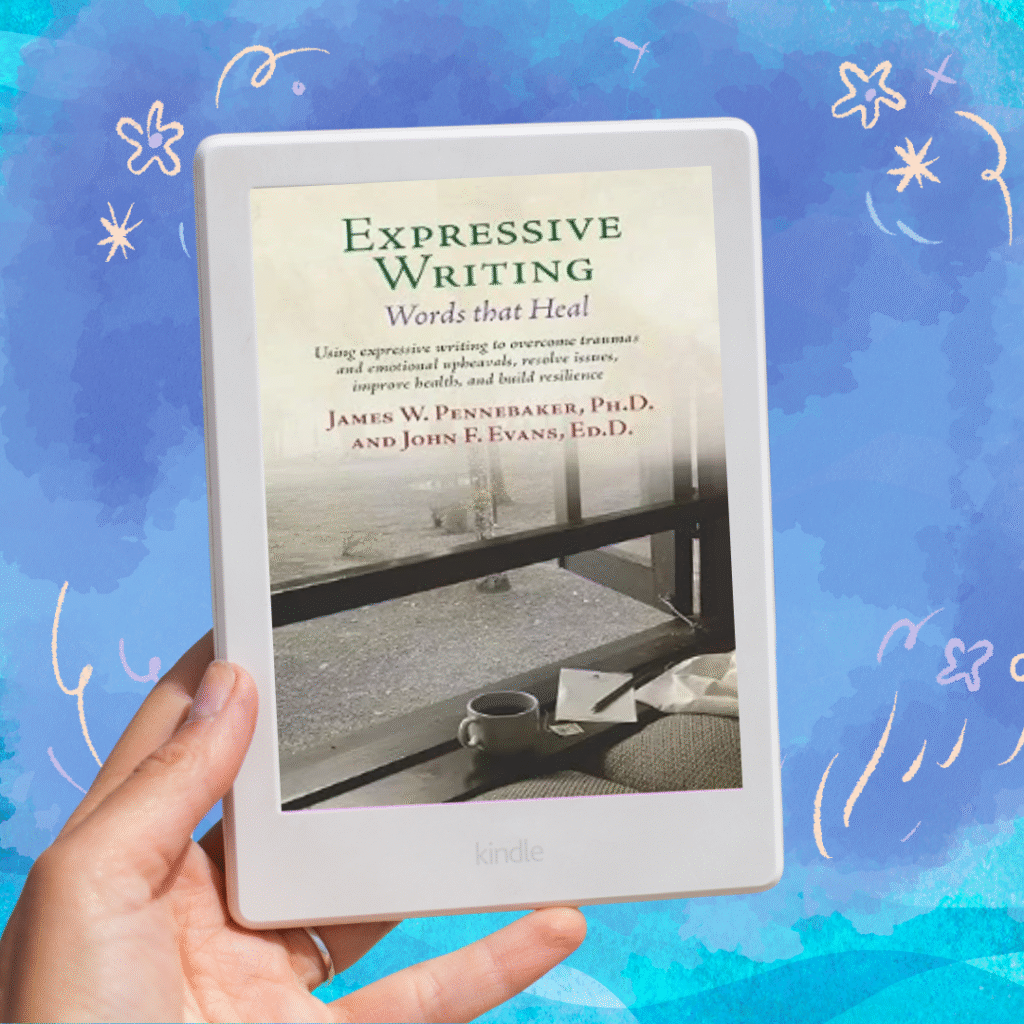
James Pennebaker, a great researcher in expressive writing, have shown that consistent writing lowers cortisol, the body’s stress hormone. Participants who wrote about emotional experiences for 20-30 minutes a day over a few days experienced long-term reductions in stress and even improved immune function.
Tool for Self-Discovery
Uncovering Hidden Thoughts
Most of us operate on autopilot and writing helps interrupt that mode. By journaling freely, you can bring to light emotions and thoughts lurking in your subconscious, ones you might not even know were influencing your mood or decisions.
Creating Personal Narratives
When you write your story, you take control of your narrative. This is especially empowering for those who feel their past defines them. You get to reframe painful experiences, highlight your resilience and recognize growth.
Reducing Stress and Anxiety
Mindfulness Technique
Just like deep breathing and meditation, writing brings you into the present. When you’re fully immersed in describing your thoughts and surroundings, you’re not worrying about the future or ruminating on the past. It’s a reset button for your mind.
Daily Gratitude Journaling
Keeping a gratitude journal has been shown to reduce symptoms of depression and anxiety. Writing three things you’re thankful for daily helps your brain focus on positives, shifting your attention from problems to possibilities.
To Process Trauma and Grief
Expressive Writing Therapy
Expressive writing, developed by Dr. James Pennebaker, is a well-researched technique that involves writing about your deepest thoughts and emotions related to traumatic or stressful experiences. Expressive writing is a method of writing that involves writing for 20 – 30 minutes each day over 3 consecutive days.This form of writing doesn’t require perfect grammar or structure. In fact, it’s most effective when it’s raw, emotional and unfiltered. Participants in studies have reported better mental clarity, reduced depressive symptoms and enhanced coping mechanisms after just a few sessions.
Letters Never Sent
Writing a letter to someone you’ve lost or someone who hurt you is a powerful way to process unresolved emotions but these letters are never meant to be sent, they serve as a safe and private outlet for emotions like anger, guilt, sorrow or love.
Here’s how to try it:
The letter should be written as if you are directly communicating with the individual.
Be honest and vulnerable.
End the letter with what you wish for moving forward (e.g., forgiveness, peace).
This exercise provides emotional closure and can be deeply therapeutic during grief or emotional healing.
5. Boosting Self-Esteem and Confidence
Affirmation Writing
Affirmations are positive statements that reinforce self-belief. When you write them down daily, they begin to rewire your brain through repetition and visualization.
Some powerful examples include:
“I am enough just as I am.”
“I deserve peace and joy.”
“I am proud of my progress.”
Research in positive psychology shows that affirmations can improve resilience, mood and decision-making, especially when practiced consistently
Documenting Progress and Wins
Often, we forget how far we’ve come. Writing helps you track growth. Whether it’s a small win like getting out of bed on a tough day or a big one like completing a personal goal, recording achievements reinforces self-worth.
Try this:
Keep a “Victory Log” where you jot down one accomplishment per day.
Reflect monthly on patterns of growth or areas needing more focus.
Enhancing Creativity and Problem-Solving
Freewriting Exercises
Freewriting is when you write nonstop for a set amount of time, typically 10–20 minutes—without worrying about grammar, spelling and coherence. It’s a judgment-free zone where your mind explores without limitation.
Benefits include:
Unlocking creativity
Breaking through mental blocks
Finding unexpected solutions
Pro tip: Start with a simple prompt like “What’s on my mind today?” and go from there.
For Better Sleep and Calm
Bedtime Journaling Rituals
Struggling with racing thoughts before bed? Writing can help you declutter your mind. A simple 5–10 minute journaling session before sleep can lower anxiety, help process the day and promote restful sleep.
Here’s a calming routine:
Reflect on 3 things that went well.
Write down any lingering worries or tasks.
End with a positive affirmation or comforting thought.
Writing fictional stories or hypothetical scenarios can help you reframe problems and experiment with new solutions. For instance, if you’re stuck in a life dilemma, write a short story where a character with your traits faces that issue—and overcomes it.This method stimulates the creative and logical regions of the brain, thereby fostering fresh perspectives.
Letting Go of Worries on Paper
This technique, often called a “brain dump,” involves writing down everything that’s troubling you without editing or censoring. Once it’s on paper, your brain doesn’t feel the need to keep reminding you. It’s like a mental offload that gives you emotiona
Writing in Different Formats: Finding What Heals You
Some people heal best through:
Poetry – for raw emotion and symbolism.
Letters – for closure and expression.
Stories – for reimagining or rewriting personal history.
Each format has its own healing potential and you’re free to experiment until you find what works best for your emotional needs.
Structured vs Unstructured Journaling
Some writers thrive with prompts and structure (like bullet journals) while others prefer stream-of-consciousness journaling. Both are valid.
Structured journaling may include goals and to do list, mood tracker and gratitude sections and unstructured journaling allows emotional flow and try mixing both for a balanced experience.
Real-Life Examples:
Case Studies and Testimonials
A 34-year-old trauma survivor from New York shared her story: after months of therapy, it wasn’t until she began journaling nightly that she truly felt her emotions stabilize. “It was like giving my pain a voice,” she wrote.
Another example is a teacher who, after losing a loved one, wrote daily letters to them. Over time, the pain softened and her letters became messages of hope, not sorrow.
Famous People Who Journaled for Healing
Many notable personalities have started writing for emotional recovery:
Anne Frank: Her diary was not just a historical document but a lifeline for her sanity.
Frida Kahlo: Used writing and poetry to deal with chronic pain and heartbreak.
Virginia Woolf: Wrote extensively as a way to manage her mental health struggles.
These examples highlight that writing is healing—regardless of your background, age, or profession
How to Start Your Healing Writing Journey
Tools and Apps to Help You Write
Getting started doesn’t require anything fancy—just a pen and notebook. But if you prefer digital tools, there are plenty of apps that support therapeutic writing:
Day One: A beautiful, secure journaling app with reminders, templates, and tags.
Penzu: An online journal with password protection and customizable entries.
Journey: Perfect for tracking mood and wellness along with daily reflections.
Notion: Great for organized thinkers who want to build structured journals.
Even using Google Docs or your phone’s notes app is a solid start. consistency matters the most, not the medium.
Prompts to Get You Going
If you feel stuck or don’t know what to write, prompts can help. Try these:
“What emotion am I feeling most strongly today? Why?”
“Write a letter to your younger self.”
“What does healing look like for me?”
“I feel most peaceful when…”
You don’t need to follow any rules,just write what comes to mind but without judgment.
Common Mistakes and How to Avoid Them
While writing is a powerful healing tool, there are a few common mistakes that can hinder progress:
Judging Your Writing: Many people fear they’re “not good writers.” But healing writing isn’t about grammar and style but it’s about honesty so let go of perfection.
Inconsistency: Like exercise and meditation, the benefits of writing build over time. Set a realistic goal say 10 minutes a day and stick with it.
Rehashing Trauma Without Purpose: While revisiting painful experiences can be healing, doing so repeatedly without processing can reinforce distress. That’s why it’s often helpful to pair writing with therapy.
Forgetting to Reflect: Don’t just writ but read what you wrote after some time. You’ll start noticing patterns, growth and clarity you didn’t see in the moment.
Comparing Your Journey to Others: Everyone heals at their own pace so on your voice and your needs.
Writing can be a complement to therapy but not always a replacement. If you’re dealing with serious trauma or mental health challenges, consult a licensed therapist.
Yes! Encouraging children to journal about their feelings builds emotional intelligence early on but make sure they feel safe and not pressurized to share.
References and Further Reading
Pennebaker, J. W. (1997). Opening Up by Writing It Down
American Psychological Association: Expressive Writing and Health
Harvard Health Publishing: The health benefits of journaling
Greater Good Science Center: How Writing About Difficult Experiences Can Help You Heal
Final Thoughts: The Lifelong Gift of Healing Power Of Writing
In a world that often feels loud and overwhelming, writing offers a private sanctuary. It doesn’t demand answers and judgments but it invites reflection, expression and transformation. Whether you write a few sentences or pour out pages, each word you pen is a step toward healing.
As you begin or continue your writing journey, remember that the act itself is enough. There’s no method to do it. What matters is showing up for yourself, one word at a time.
So grab your notebook, open that app, and start writing your way to peace, clarity and growth. Because truly, writing is healing and it’s available to everyone.
Affiliate Disclosure: “This post contains affiliate links, which means I may earn a commission if you click through and make a purchase—at no extra cost to you. I only recommend products I genuinely use or trust.”